







Search Results for: Single-Origin Bean Grading
The Difference Between Single-Origin Coffee and Espresso: A Comprehensive Guide to Coffee Naming Rules, from Origin Labels to Roast Levels
Walking into a specialty coffee shop or opening the website of a professional coffee bean merchant, do you ever feel overwhelmed by the dazzling array of coffee names? Why are coffee bean names so long? How exactly do you tell the difference between single-origin, dark roast, and espresso? What information is actually hidden behind these complex names? This article will walk you through the key elements of coffee bean naming one by one, including origin labeling, roast level, grading systems, and small-lot estate farms. From the solo performance of single-origin coffee to the concerto of coffee blends, from Northern Italian light roast to French dark roast, and on to grading codes like SHB and AA+, you'll never be confused again the next time you shop for coffee—you'll easily read the ID card of every bag of coffee beans. [more…]

An Analysis of Brazilian Coffee Bean Varieties, Grading, and Flavor Characteristics: Rich, Balanced Taste and Front Street Brand Single-Origin and Blend Recommendations
As the world's largest coffee producer, Brazil yields coffee beans with a balanced flavor profile, moderate acidity, and a rich blend of sweetness and bitterness, carrying a natural nutty aroma—equally adept as a single origin or in blends. This article outlines the varieties and grading characteristics of Brazilian coffee, explains why it is so popular in the blending sector, and recommends a range of Front Street Coffee's Brazilian single-origin and espresso blend beans, covering specific regions, estates, processing methods, and flavor information such as Cerrado Red Bourbon and Queen Estate Yellow Bourbon, providing a reference for coffee lovers when making purchases. [more…]
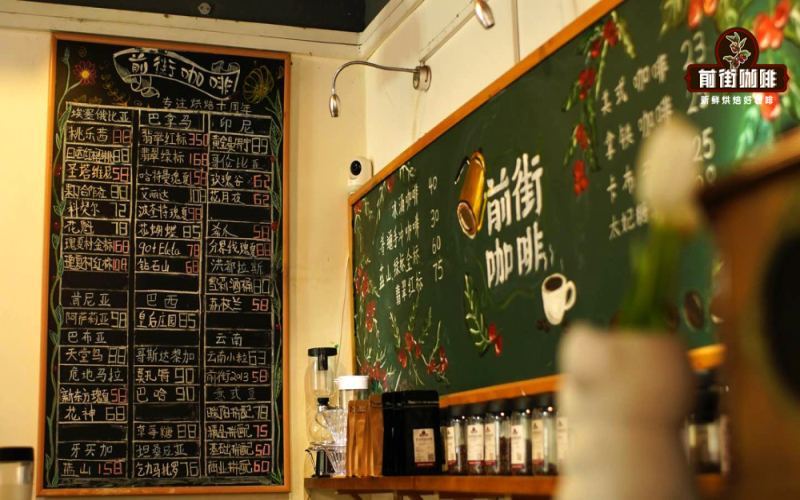
A Complete Guide to Coffee Bean Grading Standards: Meanings and Characteristics of Grades Such as G1, AA, AB, and SHB from Various Origins
When purchasing single-origin coffee beans, labels such as G1, AA, and SHB often appear on the packaging. What exactly do these letters and numbers represent? They are actually coffee bean grade symbols established by each origin based on its own conditions. Due to differences in growing environments and varieties, the grading criteria of different countries vary—some look at the number of defective beans, some at green bean size, and others at hardness or altitude. In this article, Front Street Coffee will sort out the grading standards of major producing regions such as Ethiopia, Kenya, Indonesia, Central and South America, and Brazil, helping coffee lovers understand the meaning behind these grades so they can more accurately select high-quality coffee beans that suit their own taste. [more…]

Ethiopian G1 vs G2 Single-Origin Beans: Grading Criteria, Flavor Comparison, and Front Street Brewing Tests
Ethiopia's coffee grading system is unique, using defect rate as its core criterion, which stands in sharp contrast to the practices of most producing regions that grade by altitude or bean size. As the two most common grades, G1 and G2—just how big is the gap between them in terms of green bean appearance, roasting performance, and cup flavor? From the perspective of Front Street, this article traces the origins of the Ethiopian grading system, and through a comparative test of Yirgacheffe G1 and G2, examines everything from green bean condition and roast color values to brewing and tasting, helping coffee enthusiasts understand the practical meaning of grade labels and what role they actually play in the consumption of roasted beans. [more…]
What's the difference between commercial coffee beans and specialty coffee beans? From grading standards to taste evaluation, explained clearly in one go
People who drink coffee regularly may have heard terms like industrial coffee, commercial coffee, and specialty coffee, but by what standards are they actually classified, and how do they differ in taste and use? This article starts with the varietal composition of coffee beans, sorts out the definitions and main uses of the three categories, and further introduces evaluation methods for specialty coffee such as growing altitude, screen size, and defect bean ratio, as well as the higher standards represented by estate coffee. The article also discusses how consumers can determine which tier the coffee they drink falls into, and recommends several commercial and single-origin beans from Front Street Coffee with outstanding value for money, suitable for enthusiasts who want a systematic understanding of coffee grading. [more…]

Yirgacheffe Coffee Grading | Is There a Big Difference Between G1 and G2 Yirgacheffe Single-Origin Beans? Must-Buy Light Roast Pour-Over Coffee Beans for Coffee Lovers
We know that coffee bean grading methods are usually based on the actual conditions of the growing country. Some are graded by bean size, such as Kenyan coffee; some by altitude, such as Blue Mountain coffee; and some by defect rate, such as Ethiopian coffee. As the gene pool of Arabica, Ethiopia has a wide variety of coffee varieties. [more…]
How to Choose a Commercial Coffee Bean Brand? Industrial, Commercial, and Specialty Coffee Grading Standards and Front Street Commercial Bean Recommendation Guide
Faced with the dazzling array of coffee beans on the market, many café operators and coffee enthusiasts are puzzled: which brand of commercial coffee beans is actually good? What kind of beans are truly suitable for commercial use? To answer these questions, we first need to clarify the basic definitions and usage differences among the three major categories: industrial coffee, commercial coffee, and specialty coffee. This article will systematically sort out the criteria for distinguishing these three types of coffee, delve into the evaluation system of specialty coffee in terms of growing altitude, screen size specifications, and the proportion of defective beans, and further introduce the traceability mechanism and terroir characteristics of estate coffee. Finally, combined with Front Street Coffee's commercial product line, it provides readers with a reference for choosing commercial coffee beans that offer both quality and value for money. [more…]
Yirgacheffe vs. Major Global Coffee Regions: A Detailed Comparison of Taste and Grading from Mandheling to Geisha
When we talk about coffee flavors, descriptors like tropical fruit, caramel, nuts, and cocoa actually all originate from the SCAA (Specialty Coffee Association of America) flavor wheel. This article will take Ethiopia's Yirgacheffe as a starting point and provide a横向 comparison of the taste characteristics and grading systems of major renowned coffee-producing regions around the world, covering Mandheling, Blue Mountain, Hawaiian KONA, Geisha, Brazil, Colombia, Kenya AA, Guatemala Antigua, and Costa Rica, among others. Whether you are just getting into single-origin coffee or want to gain a deeper understanding of the differences among producing regions, this article will help you build a clear sensory coordinate system. Front Street Coffee will also recommend bean varieties worth trying. [more…]
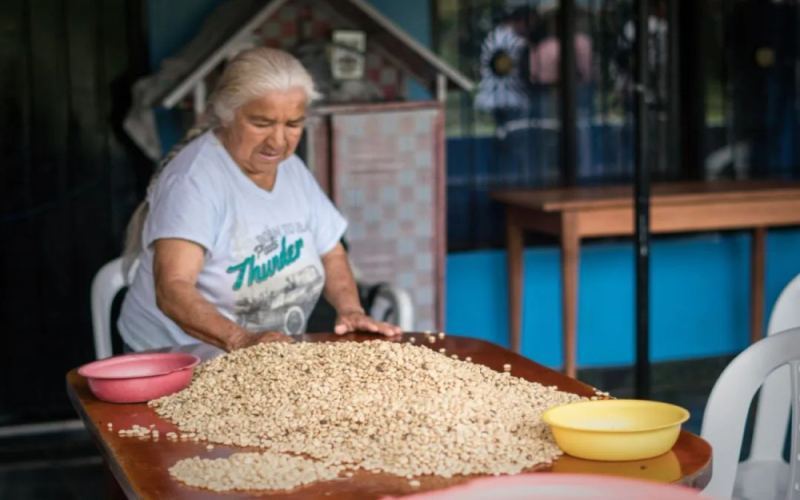
Do defective beans really change coffee flavor? From grading to roasting, we teach you to accurately identify various coffee bean defects.
Defective beans are generally considered in the specialty coffee world to affect the flavor performance of a cup of coffee. If you have the habit of buying coffee beans and brewing at home, do you need to specifically pick out defective beans before brewing? In fact, green coffee beans undergo grading after processing, and most grading systems include a defect rate indicator. The number of defects in high-grade coffee beans has already been pressed to a very low level. From green bean grading, removal before roasting, to screening after roasting, with layer upon layer of checks, there is basically no need to worry about defective bean issues when buying roasted single-origin coffee beans. However, some coffee beans that look like defects are actually normal phenomena. Front Street Coffee has summarized several common types of situations that are easily misjudged, to help everyone distinguish them accurately. [more…]
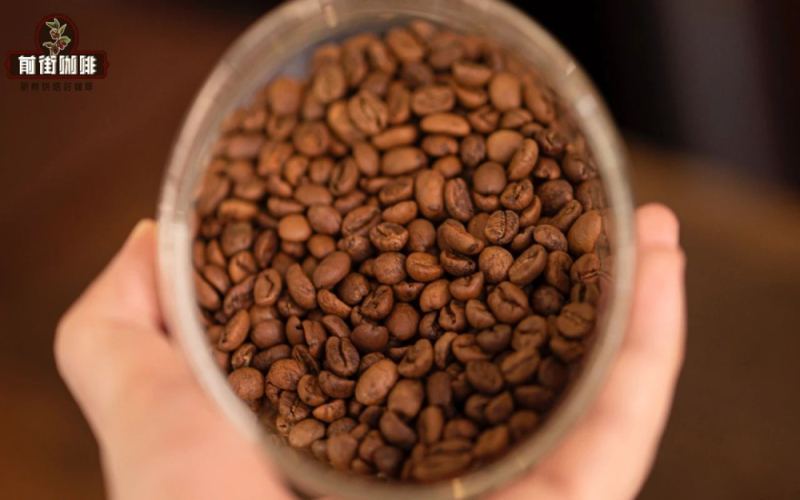
Flavor Guide to Specialty Single-Origin Coffee Beans from Six Major Regions: A Full Analysis of the Bright and Full-Bodied Camps
Under the third wave of specialty coffee, single-origin coffee beans are attracting more and more attention from enthusiasts. Front Street Coffee has been deeply engaged in the coffee industry since 2013, regularly stocking more than 30 single-origin beans in-store, with online varieties updated according to the harvest season. Faced with the frequently asked question "which single-origin coffee beans are delicious?", Front Street believes that taste preferences vary from person to person—some prefer fruity acidity, while others favor a rich, full-bodied profile. This article uses the two major camps of acidity and richness as its thread to systematically sort out six single-origin coffee beans that combine regional characteristics with popularity, covering Ethiopian Yirgacheffe, Kenya, Panama, Jamaican Blue Mountain, Indonesian Mandheling, and Brazilian Yellow Bourbon. From terroir, variety selection, grading standards, to processing method differences, it breaks them down one by one to help coffee enthusiasts find the cup that suits their own palate. [more…]
A Comprehensive Analysis of Colombian Coffee Bean Flavor Characteristics, Growing Conditions, and Green Bean Grading Standards
Colombian coffee, with its broad versatility, holds a place in both blending and single-origin fields, capable of handling the richness of a French press while also meeting everyday consumer needs. This article starts from the development thread, sorting out the producing regions, flavor characteristics, and growing conditions of Colombian coffee, explaining in detail the influence of the Central Cordillera and southern soils on coffee quality, and systematically introducing raw bean grading standards such as Excelso and Supremo. Finally, it presents two recommended bean selections—Front Street Coffee Washed Huila and Front Street Coffee Specialty Blend—suitable for pour-over, espresso, and various other brewing methods, helping enthusiasts gain a comprehensive understanding of the key points for purchasing and tasting Colombian coffee. [more…]
Yirgacheffe Single-Origin Bean Grading and Flavor Analysis, with Cold Brew Coffee Making Methods and Storage Tips
Yirgacheffe is one of Ethiopia's most representative high-altitude coffee-producing regions, and its unique flavor profile has earned it great fame in the coffee world. This article will begin with Yirgacheffe's regional background, the characteristics of its micro-regions, and the flavor differences among several representative Yirgacheffe coffees offered by the Front Street brand, helping coffee lovers make a choice based on their personal taste. At the same time, the article will also provide a detailed introduction to the cold brew coffee-making process, the key points for controlling grind size, and the optimal drinking and storage times for cold brew coffee, so that you can easily make a full-bodied, richly layered iced coffee at home. [more…]
Tanzania Kilimanjaro Coffee Bean Flavor Profile and Peaberry Detailed Guide: From Origin to Grading and Brewing Guide
Kilimanjaro coffee comes from the volcanic region of Tanzania, home to Africa's highest peak, and is renowned for its washed processing and distinctive flavor. This article will guide you through the formation of Kilimanjaro Peaberry—a rare single seed resulting from uneven pollination or differences in nutrient distribution, accounting for only 5% to 10% of coffee production. The article also breaks down its complex flavor profile of creamy chocolate, dried plum, citrus acidity, and tea-like stone fruit, and explains how acidity and sweet aftertaste perform under a light roast. In addition, it compiles Tanzania's 8 screen-size grading classifications, as well as the different charms of Kilimanjaro AA in single-origin and blend applications, making it ideal for coffee enthusiasts seeking in-depth knowledge. [more…]
Tanzania Kilimanjaro Coffee Buying Guide: Front Street Brand Grading, Flavor Characteristics, and Price Reference
Among Tanzanian coffees, Kilimanjaro is regarded as the representative. The area around Africa's highest peak has volcanic soil, high altitude, and pure snowmelt water, providing ideal conditions for coffee cultivation, and some coffee trees are over a century old. Local coffee is mostly grown at altitudes of 3,000 to 6,000 feet and processed by the washed method, presenting wine-like acidity, fruity notes, and a delicate aftertaste. Front Street Coffee grades Tanzanian coffee into nine levels according to bean size and quality, from AAA to F, each with corresponding screen size standards. This article focuses on the flavor performance, grading system, and domestic prices of Kilimanjaro coffee to help coffee enthusiasts gain a comprehensive understanding of this common single-origin coffee. [more…]
Colombian Specialty Coffee Bean Flavor Analysis: From the Andes Mountain Growing Regions to Washed Processing and the Grading System
Colombian coffee occupies an important place in the global coffee market thanks to its mild acidity, its rich, full-bodied notes of dark chocolate and roasted nuts, and its caramel-like sweetness. The skillful balance of sour, sweet, and bitter flavors makes it a common choice for espresso blends, and Front Street Coffee's specialty blend includes beans from Colombia. This article will take you through an in-depth look at the growing environment, main producing regions, grading system, and processing methods of Colombian specialty coffee beans, and introduce several Colombian single-origin everyday beans from Front Street Coffee worth trying, so you can experience the unique flavors nurtured by the Andes Mountains. [more…]
A Complete Overview of Global Specialty Coffee Regions: Characteristics and Grading Guides for Famous Beans from Brazil, Blue Mountain, Colombia, and More
The charm of coffee originates from its terroir. This article systematically reviews the world's core specialty coffee origins, from Brazil's balance to Blue Mountain's elegance, to Colombia's standard-bean excellence, as well as Mandheling's richness and Kona's rarity. You will learn about each region's grading systems, processing methods, flavor characteristics, and roasting recommendations, while also receiving Front Street Coffee's professional recommendations for each bean. Whether for single-origin tasting or blending recipes, this guide will help you find your ideal choice. [more…]
A Full Analysis of Single-Origin Coffee Bean Naming Rules: The Naming Logic from Origins and Competition Titles to Estate Brands
Step into Front Street Coffee, and faced with the long and short names on the bean list, many coffee lovers can't help but wonder: where exactly do these names come from? This article systematically sorts out the several mainstream naming methods for single-origin coffee beans—naming by producing region or producer, naming by green bean competition titles, naming by estate product lines, and the historical origins of the special name Mandheling. It also explains the meanings of common suffix letters and numbers such as G1, AA, and SHB, helping you understand the information behind the bean list and shop with greater confidence. [more…]
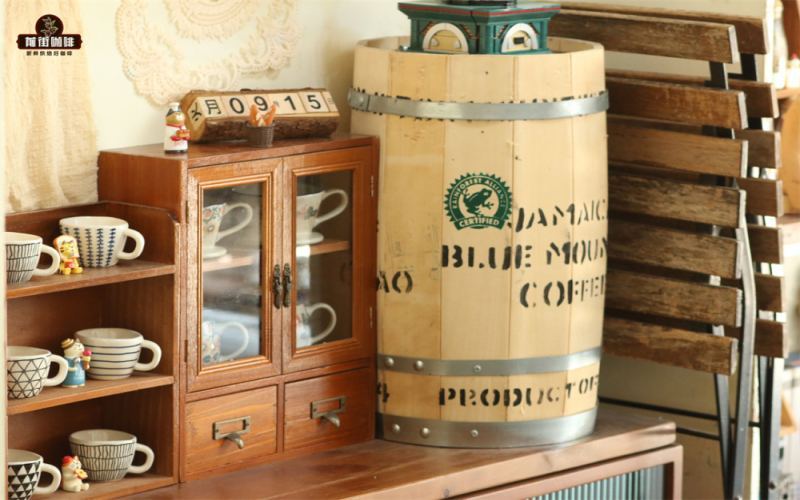
Complete Guide to Arabica Coffee: Origins, Variety Characteristics, and Processing Method Flavor Guide
Coffee belongs to the Rubiaceae family, with over a hundred known species, but commercial cultivation is dominated by three major types: Arabica, Robusta, and Liberica. Among them, Arabica, with its outstanding aroma and flavor, accounts for over seventy percent of global production and is the core raw material for single-origin and specialty coffee. This article will systematically review the varietal characteristics, advantages and disadvantages, and sub-varieties of Arabica, and introduce one by one the cultivated varieties, processing methods, grading standards, and flavor profiles of representative producing countries such as Brazil, Colombia, Panama, Guatemala, Costa Rica, Jamaica, Ethiopia, Kenya, and Indonesia. It will also incorporate Front Street Coffee's sourcing experience and recommendations to help coffee enthusiasts build a complete framework for understanding origins. [more…]
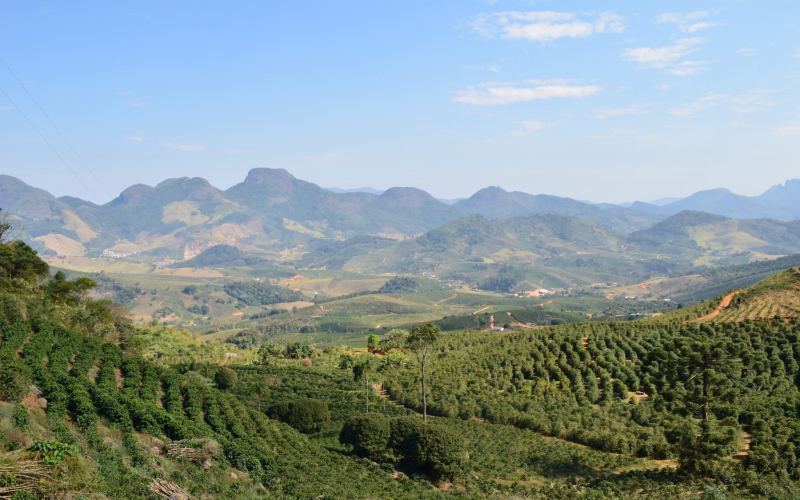
Analysis of Brazilian Coffee Bean Flavor Characteristics and Grade Classification, with Two Single-Origin Pour-Over Recommendations from Front Street Coffee
Brazil is the world's largest producer of Arabica coffee. Thanks to its flat terrain and volcanic soil, coffee cultivation and harvesting costs are relatively low, and it also exerts a profound influence on international coffee futures prices. Brazilian coffee beans are mostly grown at altitudes between 400 and 1,600 meters, and their density is lower than that of high-altitude beans from Central America. Their flavor is primarily smooth and balanced, with nutty and chocolate notes, and neither acidity nor bitterness is pronounced. Through cupping comparisons, Front Street Coffee has found that whether as a single-origin pour-over or in an espresso blend, Brazilian beans deliver an experience like a liquid nut pie. This article will outline the variety composition and grading methods of Brazilian coffee, and introduce two Brazilian single-origin beans sold by Front Street Coffee along with their pour-over extraction recipes. [more…]
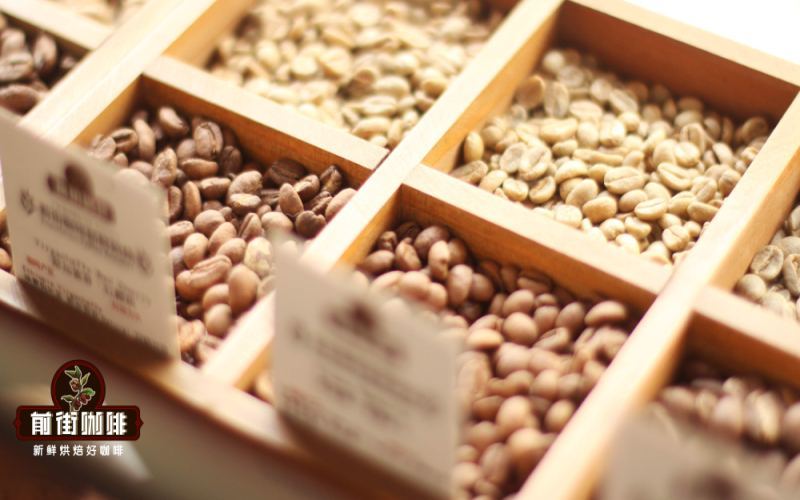
Ethiopian Washed Sidamo G1 Coffee Beans: From Grading and Roasting to a Comparison of Washed and Natural Flavor Sweetness
The Sidamo region is located in the southern highlands of Ethiopia and is known for its garden cultivation model, producing coffee beans with diverse flavors. The two processing methods, washed and natural, each have their own characteristics: washed Sidamo often carries citrus notes, nutty creaminess, and a slight cocoa aroma, while natural leans toward floral notes and fruity sweetness with acidity. What the two share is a smooth mouthfeel and pleasant acidity. In terms of grading, G1 represents the highest grade, with plump beans and balanced quality. The roast level directly affects its use; light-medium roasts are suitable for showcasing origin flavors as single-origin coffee, while medium-dark roasts can serve as an espresso base or in coffee blends. This article will focus on the Front Street Coffee Sidamo series products, including Huakui 11, Alo Village, and Natural Hamasho, and outline the green bean appearance, flavor characteristics, and brewing suggestions, helping coffee enthusiasts more clearly understand the differences between washed and natural processing in sweetness expression. [more…]